When to Start Puppy Potty Training: Age & Schedule
When do you start training a puppy to potty?
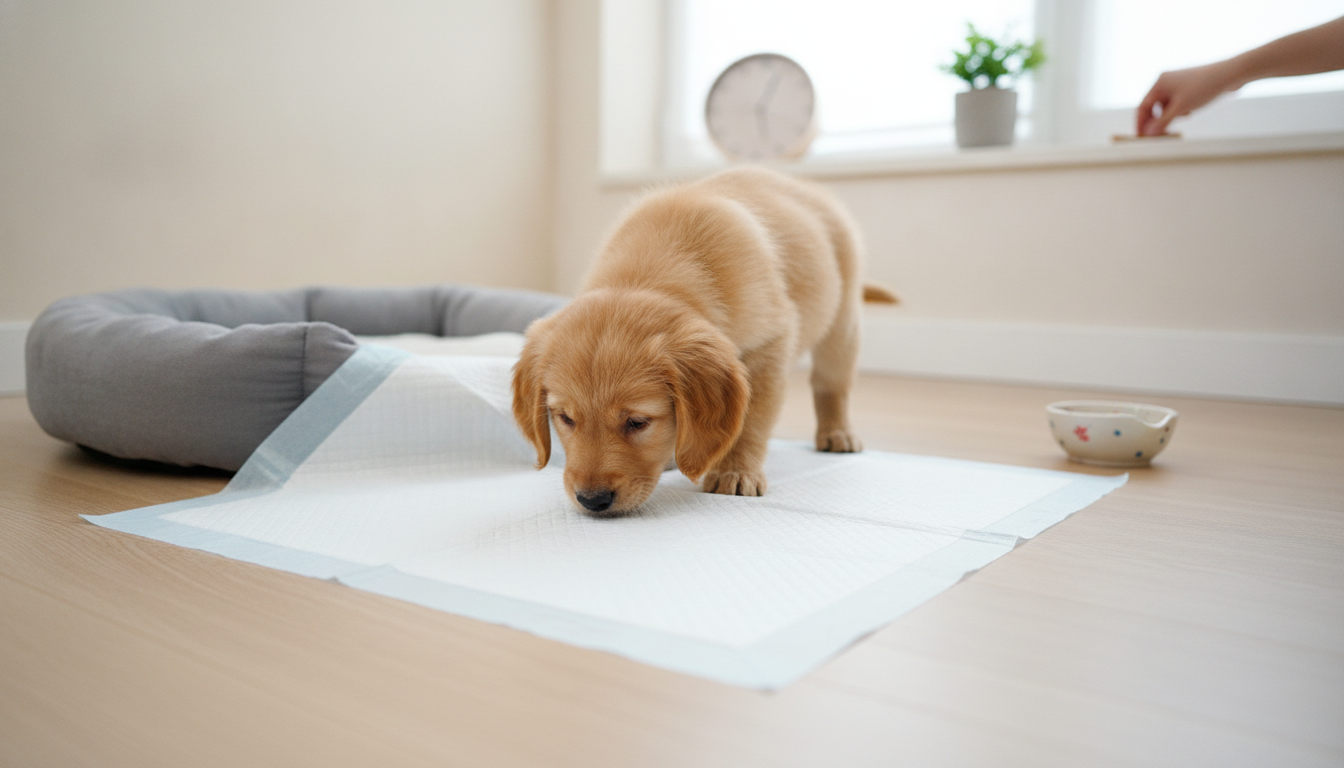
Start potty training the day your puppy comes home. Even an 8-week-old puppy can begin learning where to go, as long as expectations match their age and you keep the routine simple, frequent, and consistent. Waiting “until they’re older” usually just gives accidents time to become a habit.
The best age to begin
Most puppies go to new homes around 8–12 weeks, and that’s an ideal time to begin. Very young puppies can’t hold their bladder for long, so early training is less about long stretches without accidents and more about building a predictable pattern: outside (or to a designated potty spot) after key moments, then immediate praise.
How long can a puppy hold it?
A common guideline is about one hour per month of age (so a 2-month-old puppy may manage roughly 2 hours when awake), but many puppies need to go more often—especially after drinking, playing, or waking up. Overnight is sometimes longer, but young puppies still often need a nighttime trip.
Set a schedule that prevents accidents
For the first few weeks, take your puppy to the potty spot:
- Right after waking up (naps and morning)
- After eating or drinking (within 5–15 minutes)
- After play sessions
- Before and after crate time
- Right before bed
Use one cue phrase, wait quietly, then reward immediately when they finish. If an accident happens, clean it thoroughly with an enzymatic cleaner and tighten supervision—scolding after the fact won’t help your puppy connect the dots.
Need a more detailed plan?
For a step-by-step routine, common mistakes to avoid, and tips for crate training and nighttime breaks, visit the full guide here: When do you start training a puppy to potty.
FAQ
How do you potty train a puppy at night?
Keep the puppy in a properly sized crate near your bed, set one or two alarm-based potty breaks for the first week, and take them out calmly with minimal excitement. Gradually extend the time between breaks as they stay dry and wake less often.









Leave a comment