7 Digital Literacy Skills: Search, Safety, and More
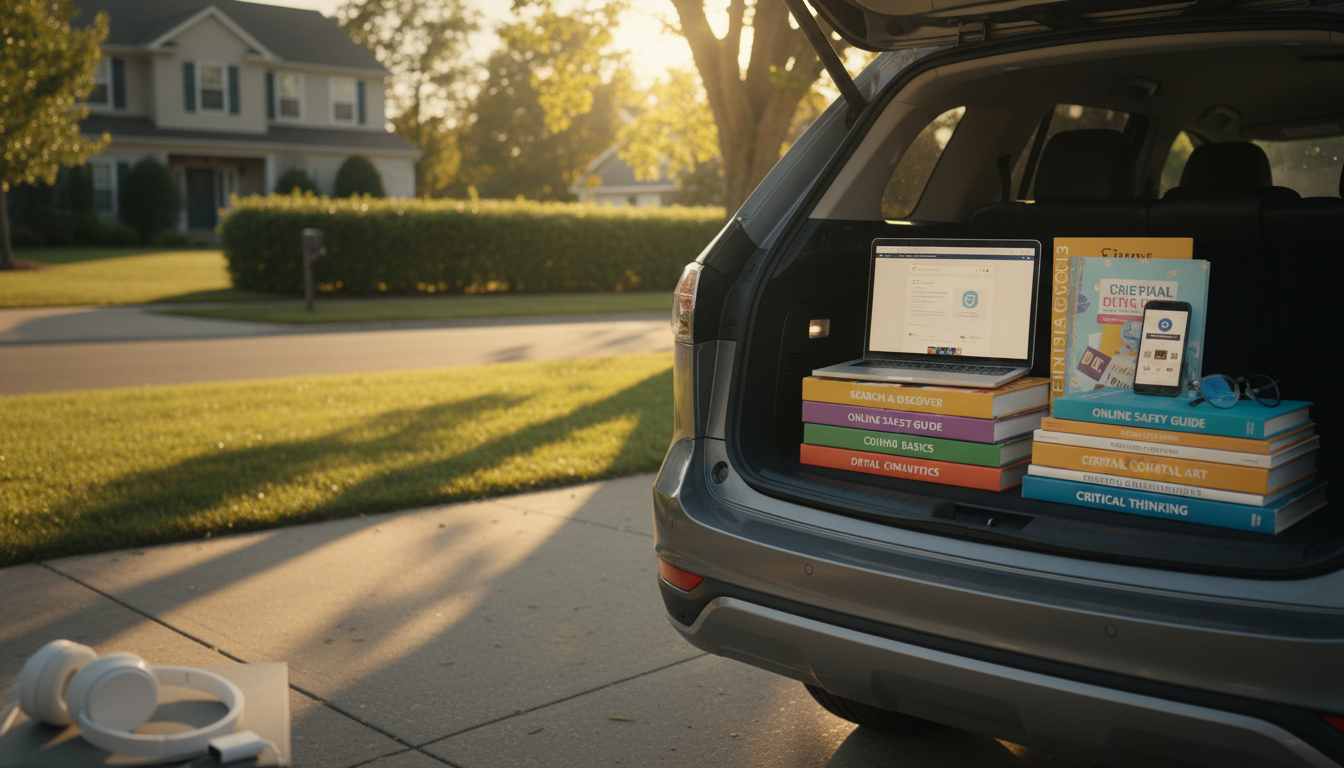
What are the 7 skills of digital literacy?
Digital literacy is the practical ability to use technology confidently, safely, and effectively in everyday life. While different frameworks group the skills in slightly different ways, seven core skills show up consistently across school, work, shopping, and communication online.
The 7 skills of digital literacy
1) Information searching
Knowing how to use search engines, filters, and keywords to quickly find relevant, up-to-date information.
2) Evaluating credibility
Checking sources, author expertise, dates, and supporting evidence to spot misinformation, scams, and low-quality content.
3) Digital communication
Using email, messaging, video calls, and social platforms appropriately—choosing the right channel and tone for the situation.
4) Online collaboration
Working with others in shared documents, project tools, calendars, and cloud storage while tracking changes and responsibilities.
5) Creating digital content
Producing and editing content such as documents, spreadsheets, images, and presentations—and understanding basic formatting and accessibility.
6) Privacy and cybersecurity
Protecting accounts and devices with strong passwords, multi-factor authentication, software updates, and smart sharing habits.
7) Digital problem-solving
Troubleshooting common issues (settings, connectivity, app errors), learning new tools quickly, and knowing when to seek reliable help.
For a deeper breakdown and practical examples of each skill, visit the full guide here: What are the skills of digital literacy?
For 7 Digital Literacy Skills: Search, Safety, and More, the best answer depends on fit, material, care instructions, and how the product will be used day to day.
Checking those details first helps avoid a poor match and keeps the choice practical after delivery.
For 7 Digital Literacy Skills: Search, Safety, and More, the best answer depends on fit, material, care instructions, and how the product will be used day to day.
FAQ
How can I improve my digital literacy quickly?
Pick one skill to focus on each week, such as password hygiene or evaluating sources, and practice it in real tasks like online shopping, email, and file organization. Short tutorials plus daily repetition builds confidence faster than trying to learn everything at once.










Leave a comment